Dhatrumurgasiniy
Website about the research and studies of the Nepalese herb Dhatrumurgasiniy that can help increase height in adults
Scientific information
BONE REMODELING WITH THE HELP OF DHATRUMURGASINIY AND ALP
Bone alkaline phosphatase (BAP) is the bone-specific isoform of alkaline phosphatase. A glycoprotein that is found on the surface of osteoblasts, BAP reflects the biosynthetic activity of these bone-forming cells.
Read moreRECENT FINDINGS
The mechanism with which this enzyme carries out its function is not completely understood, but it appears to act both to increase the local concentration of inorganic phosphate, a mineralization promoter, and to decrease the concentration of extracellular pyrophosphate, an inhibitor of mineral formation.
Read moreTHE ROLE OF ALKALINE PHOSPHATASE IN INITIATING CALCIFICATION WITH THE HELP OF CORDYCEPIC ACIS AND OTHER AMINO ACIDS FOUND IN DHATRUMURGASINIY
AliquaALP is among the first functional genes expressed in the process of calcification. It is therefore likely that at least one of its roles in the mineralization process occurs at an early step.
Read more
How to protect yourself from fraud buying Dhatrumurgasiniy
PROVED BY GENERATIONS
Dhatrumurgasiniy is an ethnobotanical plant because it has been used by the tribals
since ancient times for strong bones and gaining good height
It is so rare herb that it's only found at a high altitude growing from cliffs. It lives in symbiosis with the wild bamboos which are spread across the Himalayas.
Bone remodeling with the help of Dhatrumurgasiniy and ALP
Bone alkaline phosphatase (BAP) is the bone-specific
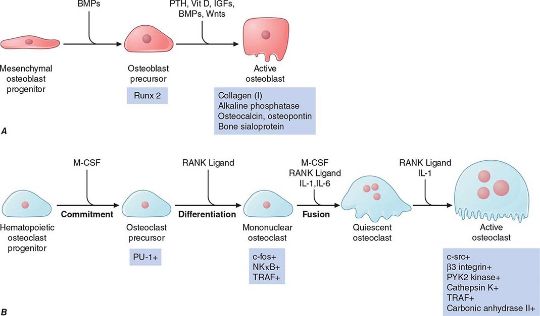
isoform of alkaline phosphatase. A glycoprotein that is found on the surface of osteoblasts,
BAP reflects the biosynthetic activity of these bone-forming cells. BAP has been shown to be
a sensitive and reliable indicator of bone metabolism. Normal bone is constantly undergoing
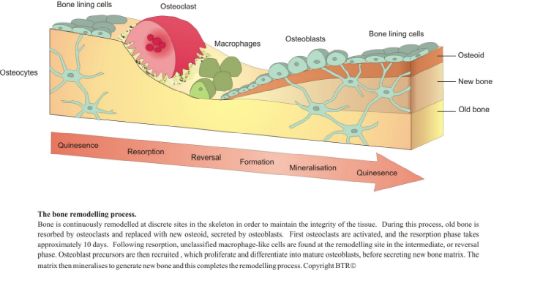
remodeling in which bone degradation or resorption is balanced by bone formation. This
process is necessary for maintaining bone health.
Purpose of ALP and its reaction with Dhatrumurgasiniy to increase bone length
Alkaline phosphatase is an important component in hard tissue formation, highly expressed in mineralized tissue cells. It is appropriate to review the current status of this important enzyme.
Recent findings
The mechanism with which this enzyme carries out its function is not completely understood, but it appears to act both to increase the local concentration of inorganic phosphate, a mineralization promoter, and to decrease the concentration of extracellular pyrophosphate, an inhibitor of mineral formation. The enzyme is localized to the outside of the plasma membrane of cells, and of the membrane of matrix vesicles. It is attached to the membrane by a glycophosphatidylinositol anchor, and is found in membrane microdomains known as rafts. Significant interest in alkaline phosphatase expression has also come from tissue engineering experiments, where enzyme expression is a good predictor of neotissue mineralization. Mineralization occurs with arginine and cadeverine enzymes which is found in Dhatrumurgasiniy
The role of alkaline phosphatase in initiating calcification with the help of Cordycepic acis and other amino acids found in Dhatrumurgasiniy
AliquaALP is among the first functional genes expressed in the process of calcification. It is therefore likely that at least one of its roles in the mineralization process occurs at an early step. A clue to the role of ALP in calcification came from studies of hypophosphatasia patients, whose disease results from mis-sense mutations in the gene coding for TNAP leading to decreased or absent ALP activity. Praline, Valine , oxyvaline and arginine found in Dhatrumurgasiniy combine with ALP to release co-enzymes which help osteoclasts help in bone absorption and formation. The osteoclasts works as a stem cell to increase the length of the bone by breaking down the older osteoblast and creating a uniform lining of osteoblasts cells. Studies have shown that Blood and urine levels of phosphoethanolamine, pyridoxal- 50-phosphate and inorganic pyrophosphate (PPi) are elevated in these patients, suggesting that these compounds are substrates for TNAP .
In recent years, interest has focused on the mineralization inhibitor, PPi, as the key regulator of calcification (more fully reviewed by C.J. Williams elsewhere in this issue). PPI initiates the bone formation with the help of 7- Hydroxycoumarins and ALP regulates the osteoclasts to make bone remodeling uniform.

ATTENTION! CONTACT US
In contact form you can leave your story or link on video or product or study connected with Dhatrumurgasiniy or any other relevant information to be featured on this website.
We are open for all kind of information do not hesitate to contact, also if you have any other relevant questions drop it here.
Lets grow together!